
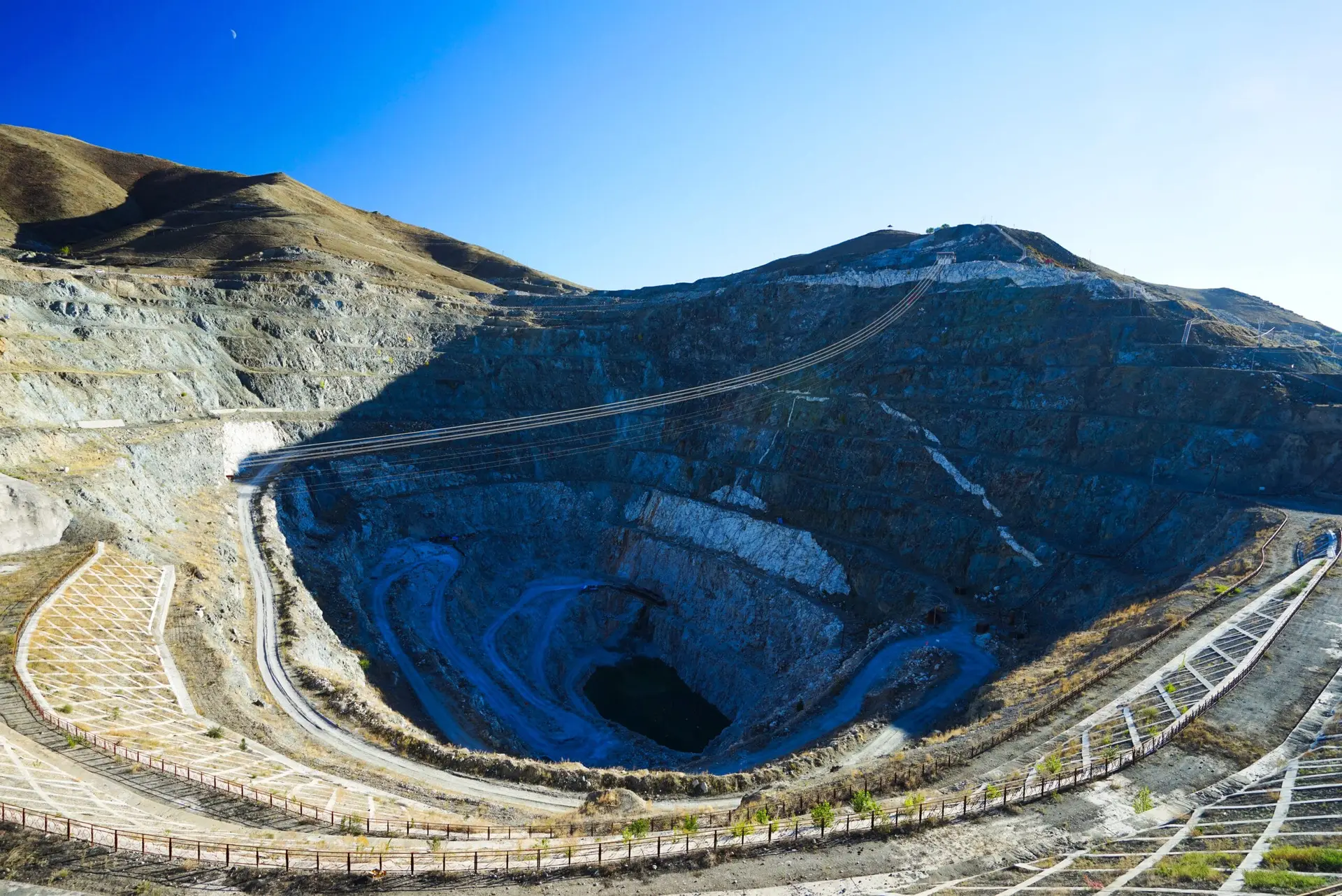
The engines of the 21st century – electric vehicles, wind turbines, smartphones, advanced electronics, even defense systems – all rely on a specific group of raw materials: critical minerals. These aren’t just any rocks; they are elements deemed essential for economic prosperity and national security, often facing supply chain vulnerabilities. Right now, investing in the companies that find, extract, and process these minerals presents a compelling, albeit complex, opportunity.
The Surge Behind the Search
Why the sudden spotlight? Two massive shifts are driving unprecedented demand:
- The Green Energy Transition: Moving away from fossil fuels requires vast amounts of lithium, cobalt, nickel, and graphite for batteries; rare earth elements (like neodymium and dysprosium) for EV motors and wind turbine magnets; and copper for practically everything electrical. The International Energy Agency (IEA) forecasts that demand for key energy transition minerals could double or even triple by 2030-2040, depending on global climate action. Lithium demand alone could surge eightfold by 2040 under ambitious climate scenarios.
- Geopolitical & Supply Chain Realignment: Production and processing of many critical minerals are highly concentrated in a few countries, creating supply chain risks. Governments worldwide, including the U.S. Department of Energy and Department of Interior, recognize this vulnerability. Initiatives like the U.S. Bipartisan Infrastructure Law, potential use of the Defense Production Act, loan programs, and tax incentives aim to boost domestic and allied production, processing, and recycling, creating a more favorable environment for investment in these regions.
Minerals Powering the Future
While official lists contain dozens of minerals (the USGS listed 50 in 2022, and the DOE focuses on 18 “critical materials for energy”), some key players attracting investor attention include:
- Lithium, Cobalt, Nickel, Graphite: The backbone of current EV battery technology.
- Rare Earth Elements (REEs): Crucial for high-strength magnets in motors and turbines.
- Copper: The workhorse of electrification, needed for wiring, grids, and EVs.
- Gallium, Germanium, Silicon Carbide: Essential for semiconductors and advanced electronics.
Avenues for Investment
Investors looking to gain exposure can consider several routes:
- Mining Stocks: Investing directly in companies exploring for or actively mining critical minerals. This ranges from large, diversified mining giants to smaller, more speculative exploration companies (“juniors”).
- ETFs (Exchange-Traded Funds): Funds that hold a basket of mining stocks, potentially focused on specific minerals (like lithium/battery tech) or broader resource themes. This offers diversification within the sector.
Navigating the Terrain: Risks and Considerations
Despite the strong tailwinds, investing in critical minerals carries significant risks:
- Price Volatility: Commodity prices can swing dramatically based on supply/demand dynamics and market sentiment.
- Geopolitical Instability: Operations in some resource-rich regions face risks from political changes, export restrictions, or conflict.
- Execution Risk: Mining is inherently challenging. Projects face long lead times, require huge capital investment, and can encounter geological or permitting setbacks. Not all exploration leads to a profitable mine.
- ESG Concerns: Environmental impacts, water usage, community relations, and labor practices are under increasing scrutiny. Companies face rising regulatory pressure and need a strong “social license to operate.”
The Bottom Line
The critical minerals sector sits at the nexus of technological advancement, energy transition, and global security. The long-term demand outlook appears robust, fueled by legally mandated and economically driven shifts. However, potential investors must conduct thorough due diligence, understand the specific minerals and companies they are investing in, appreciate the inherent risks, and consider diversifying their approach. Unearthing the right opportunities in this dynamic space requires careful research and a long-term perspective.
(Disclaimer: This blog post is for informational purposes only and does not constitute financial advice. Always conduct your 1 own research and consult with a qualified financial advisor before making 2 investment decisions.)